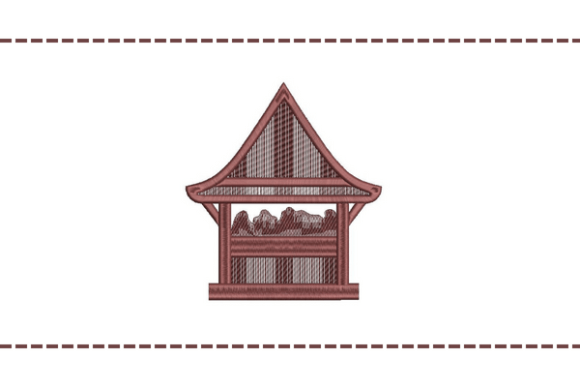
Chinese Home
A Warm and Artistic Embroidery Design for Real Projects
As a designer who works with embroidery files on a daily basis, I approach each new design with the same level of scrutiny I’d apply to a custom client project. Chinese Home is one such design that caught my eye—not just for its aesthetic appeal, but for its potential in real-world applications. Let me walk you through my thoughts as I evaluate it for practical use in handmade products, small business merchandise, and personal projects.
First Impressions: A Cozy and Cultural Touch
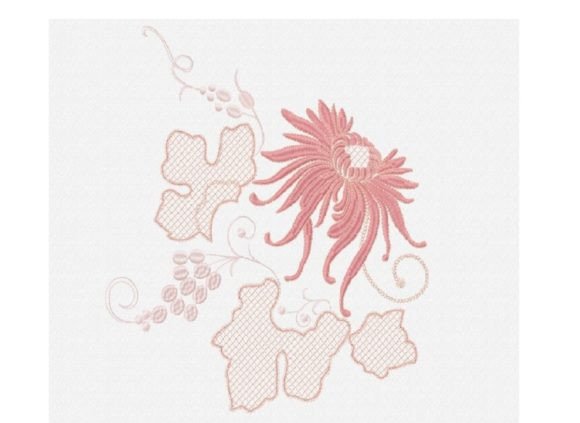
At first glance, Chinese Home exudes a sense of warmth and cultural richness. The design features intricate patterns that evoke traditional Asian motifs, with a soft, flowing feel that suggests comfort and artistry. It’s not overly detailed, which makes it versatile for various fabric types and sizes. The layout is balanced, with enough visual interest to stand out without overwhelming the viewer.
The theme feels like it could easily fit into a home decor setting or a personalized gift. It has a gentle, artistic vibe that would work well on pillows, bedsheets, or even baby clothes. But what really stands out is how it maintains a cohesive look across different scales and placements. This is a key factor when considering its use in commercial embroidery projects or craft fair items.
Real-Life Application: Testing the Design
To better understand how Chinese Home performs, I imagine using it on a custom embroidered tote bag. The design would add a subtle yet meaningful touch, especially if paired with neutral tones or muted pastels. It would complement a range of fabrics, from cotton to linen, and maintain its visual integrity even after multiple washes.
However, there are some considerations. The design includes delicate details that might be challenging on thin or stretchy fabrics. For example, using it on a baby item like a onesie or a cap requires careful handling. The curvature of the design also means it may need a larger hoop size to avoid distortion. This is something to keep in mind when preparing for production runs or custom orders.
Stitching Clarity and Visual Appeal
One of the most important factors in any embroidery design is stitch clarity. Chinese Home uses a mix of satin stitch and running stitch techniques to create depth and texture. These methods work well together, offering a soft yet defined appearance. However, the design’s density can vary, so it’s essential to review the stitch count before applying it to a finished product.
The thread colors provided should offer good contrast against most backgrounds. That said, testing the design on a black and white mockup can help identify any areas where detail might be lost. This is particularly important for products like holiday gifts or boutique branding, where visual clarity plays a big role in customer perception.
Where to Use Carefully
- Small Hoop Sizes: While the design is adaptable, smaller hoops may struggle with the finer details, leading to potential distortion or loss of clarity.
- Textured Fabrics: The design may not render as clearly on highly textured materials, which could affect the overall presentation.
- Dark Fabric: Dark backgrounds can mute the design’s vibrancy, so it’s wise to test it on both light and dark fabrics before finalizing a project.
- Layered Garments: If used on layered clothing, ensure the design is positioned correctly to avoid stitching issues or misalignment.
- Curved Surfaces: Items like caps or hats require special attention to maintain the design’s shape and proportion.
- Detailed Corners: Some corners have intricate elements that may be difficult to stitch cleanly, especially on tight hooping setups.
- Tiny Lettering: Any text included should be reviewed for legibility, particularly on smaller products like patches or embroidered badges.
Design Assets and Commercial Use
If you’re an Etsy seller or running a small shop, Chinese Home could be a valuable addition to your product lineup. It’s suitable for a wide range of items, from custom apparel to decorative accents. However, it’s crucial to confirm licensing terms before selling finished products or digital embroidery files. Always check whether the design allows for commercial use and whether you need to purchase additional rights for resale or mass production.
For digital product sellers, printable mockups are a must. They help customers visualize how the design will look on their chosen fabric, which can significantly impact buyer engagement and trust. A clear, high-quality preview can make all the difference in converting a potential sale into a completed order.
Practical Designer Notes
Before using Chinese Home on a real project, I recommend a few key steps:
- Test on Scrap Fabric: Always try the design on a piece of scrap fabric to assess stitch density and overall appearance.
- Check Thread Color Contrast: Ensure the thread colors provide sufficient contrast against the intended fabric background.
- Review Stitch Density: High-density areas may require more stabilizer or careful placement to prevent puckering.
- Confirm Hoop Size: Choose a hoop that accommodates the design’s dimensions without causing strain on the machine.
- Inspect Small Details: Pay close attention to tiny elements that might be overlooked during initial testing.
- Use Proper Stabilizer: Especially on stretchy or thin fabrics, a quality stabilizer can make a world of difference.
- Test in Black and White: This helps identify any hidden issues with the design’s structure or balance.
- Compare Light and Dark Fabrics: See how the design behaves under different lighting conditions and fabric types.
- Check Licensing Terms: Make sure you have the right to sell or distribute the design as part of your business.
- Consider Both Personal and Commercial Use: Some designs are only suitable for personal projects, so verify the terms carefully.
Final Thoughts
Chinese Home is a versatile design that offers a blend of cultural inspiration and practicality. Whether you're crafting a personalized gift, creating boutique merchandise, or designing for a commercial embroidery project, this design has the potential to elevate your product. With the right preparation and attention to detail, it can become a standout feature in your collection.