Dancing Skeletons Review
First Impressions: A Fun and Elegant Design
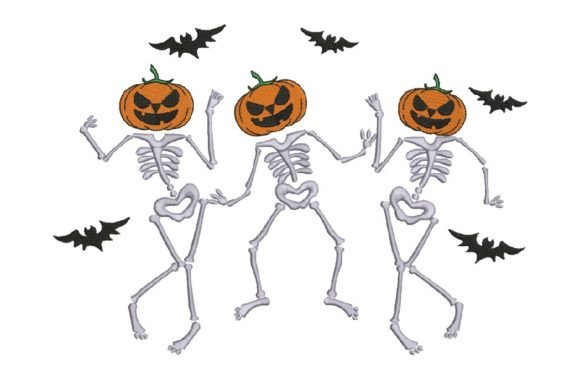
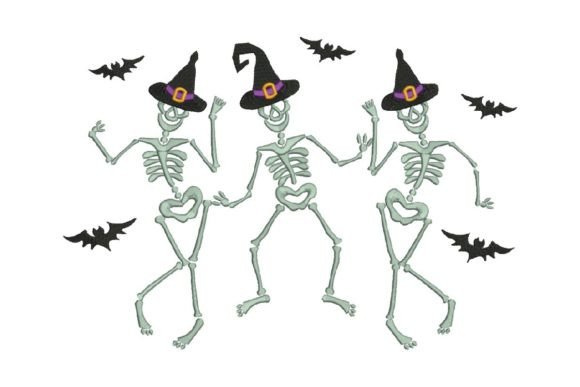
The first time I saw Dancing Skeletons, I was immediately drawn to its playful yet elegant aesthetic. The design features a group of skeletons in motion, each with unique poses that suggest a lively dance. This creates a visual mood that is both whimsical and sophisticated, making it versatile for a range of projects. The detail level is impressive, with subtle textures and shading that add depth without overwhelming the eye.
Dancing Skeletons has a distinct stitching personality—clean lines, well-defined shapes, and a balance between intricate details and simplicity. It’s not overly complicated, which makes it accessible for both beginners and experienced embroiderers. The decorative appeal is strong, especially when stitched on lighter fabrics where the colors pop. Whether used as a standalone design or paired with other elements, Dancing Skeletons can elevate any project with its charming presence.
Practical Use in Real Projects
Considering how Dancing Skeletons might perform in real embroidery work, it's clear that this design is adaptable to various applications. From custom apparel to handmade gifts, the versatility of Dancing Skeletons shines through. For instance, it could be an excellent choice for sweatshirt embroidery or tote bag designs, where a fun and eye-catching element is needed without overshadowing the main fabric.
When thinking about commercial embroidery, Dancing Skeletons offers a great opportunity to create branded merchandise. Whether it's embroidered patches or nursery decor, the design adds a touch of personality that resonates with customers looking for something unique. It also works well with printable mockups, allowing designers to visualize how the finished product will look before committing to a print run.
One important consideration is the use of stabilizer. Given the detail level and stitch density in Dancing Skeletons, using the right type of stabilizer is crucial for maintaining fabric integrity and ensuring even stitching. Additionally, checking the hoop size and confirming compatibility with your machine is recommended before starting a project.
Design Considerations for Different Fabric Types
Dancing Skeletons performs well on a variety of fabrics, but some considerations should be made depending on the material. On dark fabric, the contrast may be less pronounced, so testing on a scrap piece is advisable. Similarly, on textured fabric or stretchy fabric, extra care should be taken to ensure the design remains intact and does not distort during stitching.
For curved cap surfaces, such as those found on hats or caps, Dancing Skeletons can be a great fit if the design is adjusted for curvature. This makes it suitable for caps or aprons where the surface isn't flat. However, dense stitch areas may require more careful handling to avoid puckering or uneven stitching.
Enhancing Product Value and Brand Consistency
Incorporating Dancing Skeletons into your product line can significantly enhance the value of your handmade items. The design adds a unique touch that can set your products apart from competitors. Whether you're creating personalized gifts or custom apparel, the visual appeal of Dancing Skeletons can contribute to a stronger brand identity.
From a customer engagement perspective, Dancing Skeletons can make your products more appealing and marketable. Its charm and elegance are perfect for seasonal themes like Halloween, making it ideal for craft fair products or boutique merchandise. When combined with high-quality photography and thoughtful packaging, Dancing Skeletons can enhance the overall presentation of your handmade goods.
Embroidery Tips for Success
To ensure the best results when working with Dancing Skeletons, consider the following tips:
- Test on scrap fabric to evaluate stitch quality and color contrast.
- Check thread color contrast to ensure visibility and vibrancy.
- Review stitch density to prevent overcrowding or sparse stitching.
- Confirm hoop size and machine compatibility before beginning.
- Compare light and dark fabric mockups to assess how the design will appear.
- Use proper stabilizer to maintain fabric stability during stitching.
- Inspect small details after stitching to catch any issues early.
- Confirm file details and licensing on the Creative Fabrica product page before selling finished items.
By following these steps, you can maximize the potential of Dancing Skeletons and ensure that your finished products meet the highest standards of quality and craftsmanship.