Decorative Elements
First Impression: A Cozy and Artistic Statement
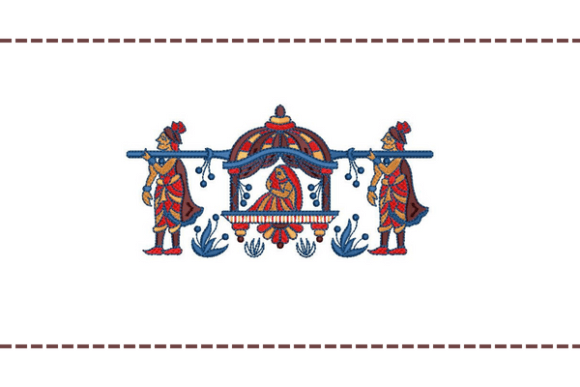
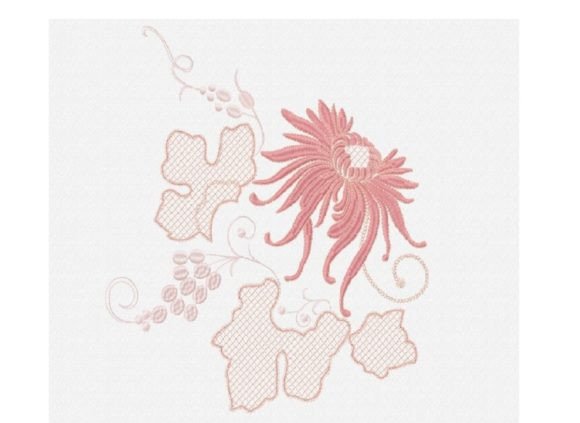
The first glance at Decorative Elements suggests a blend of warmth and creativity, perfect for adding a personal touch to any fabric. It feels like a design that could easily transition from a farmhouse table to a modern living room. The title hints at versatility, and the description promises a cozy and artistic feel, which immediately makes it appealing to a wide range of craft fair buyers.
Where Does Decorative Elements Stand Out?
At a craft fair booth, Decorative Elements would shine on products like tote bags, aprons, and pillow covers. These items are commonly sought after by customers looking for both function and style. The design’s adaptability means it can be scaled down for small accents or expanded as a focal point, making it versatile enough to suit different product types.
When displayed on embroidered patches or caps, Decorative Elements adds a subtle yet eye-catching detail. It works especially well on fabric pouches and market bags, where its artistic nature can stand out without overwhelming the product. For Etsy sellers, this design is a strong candidate for creating unique handmade products that resonate with customers seeking personalized touches.
Performance on Key Craft Fair Products
Decorative Elements performs well on a variety of craft fair products, including:
- Tote bag design – Adds visual interest while maintaining functionality.
- Apron embroidery – Offers a decorative touch that complements everyday use.
- Tea towel embroidery – Perfect for kitchen decor with a soft, artistic flair.
- Embroidered patch – Ideal for small accessories and custom gifts.
- Pillow cover embroidery – Enhances comfort with a stylish twist.
- Market bag embroidery – Appeals to eco-conscious shoppers looking for unique packaging.
- Handmade gift – Versatile enough to be used in multiple product forms.
- Booth samples – Great for showcasing the design’s potential in a real-world setting.
- Printable mockup – Useful for online listings and customer previews.
- Commercial embroidery – Suitable for small shop products and bulk production.
Its ability to work across such a broad range of products makes it an excellent choice for creative entrepreneurs looking to expand their offerings.
Practical Selling and Production Considerations
One of the key strengths of Decorative Elements is its clarity at a glance. The design is easy to understand, even when viewed from a distance, which is crucial for attracting attention at a craft fair. It also has the flexibility to be used as either a small accent or a larger focal design, depending on the product and customer preference.
Photographically, the design holds up well on various fabrics, though it's important to test how it looks on different textures. Dark fabrics may require careful consideration of thread color and contrast to ensure the design remains visible. Additionally, dense stitch areas should be reviewed for stitch density and spacing to avoid overloading the fabric.
For batch production, Decorative Elements is repeatable and scalable, making it ideal for small shop products and commercial embroidery. However, it's essential to confirm hoop size and stabilizer type before mass production to maintain quality and consistency across all finished products.
Important Notes for Embroidery Designers
Before producing Decorative Elements, consider the following:
- Test the design on scrap fabric to ensure it works well with your materials.
- Check thread colors for contrast and visibility, especially on dark or textured fabrics.
- Review stitch density and spacing to prevent issues with fabric texture or durability.
- Confirm hoop size to ensure proper fit and ease of use.
- Use the right stabilizer to support the design and prevent puckering.
- Create at least one real mockup to showcase the design’s potential.
- Compare fabric colors to ensure the design maintains its intended look.
- Confirm commercial licensing if you plan to sell finished products.
These steps will help ensure that Decorative Elements not only looks great but also performs well in production and on the market.
Visual Appeal and Customer Engagement
Decorative Elements has a strong visual appeal that draws customers in, whether they're browsing a booth or scrolling through an Etsy listing. Its artistic and cozy feel creates a welcoming vibe, making it easy for buyers to connect with the product on an emotional level.
By incorporating Decorative Elements into your handmade products, you can enhance the perceived value of your items. The design adds a layer of craftsmanship and uniqueness that appeals to both craft fair buyers and digital sellers looking to stand out in a competitive market.
Conclusion
In summary, Decorative Elements is a versatile and visually appealing machine embroidery design that offers great potential for craft fair products and handmade goods. Its adaptability, clarity, and aesthetic make it a valuable asset for embroidery designers and small shop owners. With careful preparation and attention to detail, this design can become a standout feature in your booth and a popular choice among customers.